Table of Contents
Cognitive Triad of Stressful Stress. An indispensable part of experiencing injury is really feeling various from others, whether the trauma was a specific or team experience. Traumatic experiences generally feel unique and challenge the necessity and value of mundane activities of life. Survivors typically think that others will certainly not completely understand their experiences, and they might believe that sharing their sensations, ideas, and reactions associated to the injury will fall brief of expectations.
The type of injury can dictate exactly how a specific really feels various or thinks that they are various from others. Traumas that create embarassment will typically lead survivors to feel more pushed away from othersbelieving that they are "damaged goods." When individuals think that their experiences are unique and incomprehensible, they are most likely to look for assistance, if they look for support in any way, just with others that have experienced a similar injury.
A flashback is reexperiencing a previous traumatic experience as if it were really happening in that moment. It consists of responses that usually resemble the customer's reactions throughout the injury.
When EMDR Therapy Benefits Military Professionals experiencing Professional Trauma
Various other times, details physical states boost a person's vulnerability to reexperiencing a trauma, (e.g., exhaustion, high stress and anxiety levels). Flashbacks can really feel like a short film scene that intrudes on the client.
If a client is caused in a session or throughout some aspect of treatment, help the client focus on what is happening in the right here and currently; that is, make use of grounding methods., for more grounding methods).
Later, some customers require to talk about the experience and recognize why the flashback or trigger took place. It typically helps for the customer to draw a connection in between the trigger and the distressing event(s). This can be a preventative method whereby the client can expect that an offered scenario places him or her at greater danger for retraumatization and requires usage of dealing methods, consisting of looking for support.
Why Eye Movement Desensitization and Reprocessing Operates for Traumatic Experiences in Calgary, AB
Dissociation is a psychological procedure that cuts links amongst an individual's ideas, memories, feelings, actions, and/or sense of identity. The majority of us have actually experienced dissociationlosing the capacity to recall or track a certain activity (e.g., coming to job but not bearing in mind the last minutes of the drive). Dissociation occurs since the individual is engaged in an automated task and is not focusing on his/her prompt atmosphere.
Dissociation helps distance the experience from the individual. People that have actually experienced serious or developmental trauma might have learned to separate themselves from distress to endure.
For instance, in non-Western societies, a feeling of alternative beings within oneself may be interpreted as being populated by spirits or ancestors (Kirmayer, 1996). Other experiences related to dissociation include depersonalizationpsychologically "leaving one's body," as if seeing oneself from a range as an observer or through derealization, bring about a sense that what is taking place is unknown or is not genuine.
Why EMDR Therapy Treats Police Professionals with Job-Related PTSD

One significant lasting repercussion of dissociation is the trouble it triggers in connecting solid emotional or physical reactions with an event. Frequently, people may think that they are going bananas because they are not in contact with the nature of their responses. By enlightening customers on the durable qualities of dissociation while likewise emphasizing that it stops them from attending to or validating the trauma, individuals can start to comprehend the role of dissociation.
Distressing stress and anxiety responses vary widely; frequently, individuals involve in behaviors to take care of the aftereffects, the strength of feelings, or the distressing aspects of the stressful experience. Some people decrease tension or anxiety via avoidant, self-medicating (e.g., alcoholic abuse), uncontrollable (e.g., overindulging), spontaneous (e.g., high-risk actions), and/or self-injurious habits. Others may try to gain control over their experiences by being hostile or subconsciously reenacting elements of the injury.
Often, self-harm is an effort to handle emotional or physical distress that appears overwhelming or to handle a profound feeling of dissociation or being entraped, helpless, and "damaged" (Herman, 1997; Santa Mina & Gallop, 1998). Self-harm is connected with previous youth sex-related abuse and other kinds of trauma along with material abuse.
Healing Panic via EMDR Therapy in Calgary, AB
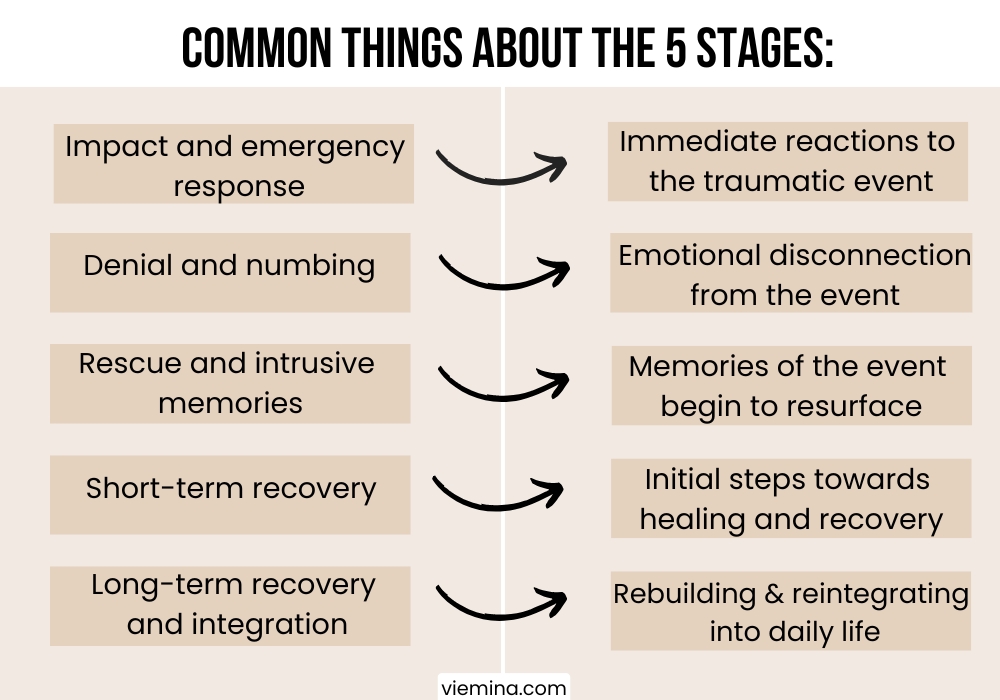
Boosted commitment to a personal mission. Modified priorities. Enhanced philanthropic giving and volunteerism. Marco, a 30-year-old guy, sought therapy at a neighborhood mental university hospital after a 2-year bout of stress and anxiety signs. He was an active member of his church for 12 years, but although he looked for assistance from his pastor about a year earlier, he reports that he has had no contact with his priest or his church because that time.
He explains her as his soul-mate and has actually had a hard time understanding her actions or exactly how he might have avoided them. In the preliminary consumption, he stated that he was the first person to discover his spouse after the suicide and reported feelings of dishonesty, pain, anger, and destruction given that her death.

Navigation
Latest Posts
Exploring Expert Family Therapy
Frustrated Part That Gets Triggered At Overwhelmed in Napa, CA
Overcoming Depression and Anxiety Through the Lens of Individual Therapy