Table of Contents
- – The Hidden Price of High-Functioning Anxiety
- – Katherine Maguire
- – Anxiety in High Achievers: When Success Feels ...
- – Perfectionism: The Trap That Appears Like Exce...
- – Codependency and Self-confidence: The Accompli...
- – Integrated Therapy Approaches for Complicated ...
- – Finding the Right Restorative Assistance

Success on the outside often masks struggles on the within. High up-and-comers regularly browse jobs, connections, and responsibilities while battling debilitating stress and anxiety, clinical depression, and the stressful needs of perfectionism. When external achievements fail to peaceful interior objection, specialized therapy approaches can assist break cycles that keep driven individuals caught in between success and fulfillment.
The Hidden Price of High-Functioning Anxiety
High-functioning stress and anxiety presents a paradox that puzzles both victims and onlookers. From the outside, every little thing appears in control-- target dates met, assumptions surpassed, objectives achieved. Inside, nevertheless, a constant stream of concern, self-doubt, and fear of failing drives every choice and action. This dissonance in between public success and private suffering creates one-of-a-kind healing challenges that generic stress and anxiety therapy typically misses.

Katherine Maguire
I've known Dr. Ann for over ten years and she is a highly reputable therapist for clients in the Arlington, VA area looking to work on anxiety, depression, and relationships. She has a deeply compassionate and empathetic approach that supports individuals as they make new insights and changes in their lives. She has extensive psychodynamic training and knowledge. I highly recommend working with her!
Unlike anxiousness that impairs everyday functioning, high-functioning anxiousness typically goes unrecognized because it produces outcomes. The overworked specialist who can not stop checking emails, the parent that micromanages every information of domesticity, the pupil who obsesses over jobs weeks beforehand-- all show "" useful"" habits that mask profound psychological distress. Standard therapy methods may inadvertently enhance these patterns by focusing solely on stress administration instead of addressing the much deeper ideas driving the anxiety.
Efficient stress and anxiety treatment for high achievers recognizes that the goal is not simply to decrease stress and anxiety sufficient to keep efficiency. True healing requires taking a look at the core beliefs about worth, safety, and acceptability that make continuous striving seem like survival instead than option.
Anxiety in High Achievers: When Success Feels Vacant
Anxiety among high-functioning people frequently manifests in a different way than classic presentations. Rather than apparent withdrawal or failure to function, high-achiever anxiety frequently shows up as persistent vacuum in spite of accomplishments, lack of ability to experience happiness from successes, and a prevalent feeling that nothing is ever before enough. This type of depression can continue for several years prior to acknowledgment because external markers of health mask inner exhaustion.
The separate between accomplishment and gratification produces extensive complication. If success was meant to bring happiness, why does each landmark feel hollow? This inquiry haunts many high up-and-comers who have arranged their entire lives around objectives that stopped working to supply promised satisfaction. Clinical depression treatment that addresses this particular sensation should surpass sign monitoring to check out questions of identification, significance, and authentic desire.
Lots of driven individuals uncover via treatment that their clinical depression stems from living according to internalized "" shoulds"" rather than real wants. Years of maximizing for others' authorization, exterior recognition, or culturally prescribed success pens leave little room for self-knowledge or genuine instructions. Clinical depression comes to be the psyche's protest versus this self-abandonment-- a signal that something essential needs focus.
Depression therapyPerfectionism: The Trap That Appears Like Excellence
Perfectionism masquerades as a virtue in achievement-oriented cultures, yet its psychological truth differs substantially from healthy and balanced striving. Where excellence involves setting high standards and feeling contentment from satisfying them, perfectionism produces impossible requirements combined with ruthless self-criticism regardless of results. This distinction proves essential in perfectionism treatment, where the objective is not to reduced criteria yet to create much healthier relationships with success itself.
Perfectionist patterns normally create as protective approaches throughout childhood or adolescence. Perhaps conditional love educated that mistakes indicated rejection, or disorderly atmospheres produced the idea that best control stops disaster. No matter origin, perfectionism operates the core presumption that flawlessness is both possible and required for safety or acceptance. This impossible demand produces constant anxiousness, shame cycles, and ultimate fatigue or anxiety.
Reliable perfectionism treatment addresses these hidden ideas while assisting customers compare flexible high criteria and maladaptive perfectionism. Restorative techniques consist of:
- Determining and testing cognitive distortions like all-or-nothing reasoning and catastrophizing
- Establishing self-compassion techniques that interrupt extreme interior criticism
- Trying out with deliberate flaw to test tragic forecasts
- Exploring childhood years beginnings of perfectionist beliefs and grieving unmet needs
- Structure resistance for unpredictability and loss of control via graduated direct exposure
- Reconnecting with intrinsic inspiration versus fear-based drivenness
The transformation from perfectionism to healthy accomplishment basically moves one's connection with self-- from conditional approval based upon performance to inherent worth independent of outcomes.
Codependency and Self-confidence: The Accomplishment Trap
High achievers usually struggle with codependency patterns that negate their experienced exterior presentation. Codependency entails acquiring self-respect mainly from others' demands, feelings, or opinions as opposed to inner validation. For driven people, this regularly manifests as compulsive caretaking, problem setting borders, and organizing life around others' comfort while disregarding individual needs.
The link in between codependency and high achievement runs deeper than numerous identify. Both patterns can come from the exact same core wound-- the idea that integral well worth need to be made with productivity, effectiveness, or conference others' assumptions. High achievers may substitute expert accomplishments for relational authorization, yet the underlying dynamic continues to be: worth depends upon external recognition instead of inner acceptance.
Codependency therapy for high-functioning individuals calls for dealing with a number of interconnected patterns. Customers find out to identify where their feeling of self ends and others start, acknowledging just how limit dissolution drives both connection dysfunction and professional overextension. Therapy discovers exactly how claiming yes to everything and everybody undoubtedly means stating no to self-- creating the animosity, exhaustion, and identification complication characteristic of codependency.
Self-confidence therapy within this context concentrates on creating interior recognition systems that do not call for constant accomplishment or approval. This shows particularly challenging for people whose entire identity has organized around being "" the capable one,"" "" the fixer,"" or "" the high performer."" Finding out to derive worth from being instead than doing stands for an essential identification change that requires patience, empathy, and continual restorative assistance.
Integrated Therapy Approaches for Complicated Presentations
Stress and anxiety, anxiety, perfectionism, and codependency hardly ever exist alone among high up-and-comers. These patterns typically interweave in complicated ways that need incorporated healing methods. A perfectionist might establish anxiety about maintaining impossible standards, after that experience anxiety when undoubtedly failing. Codependent patterns may drive overachievement as a strategy for protecting connections, while all at once depleting the psychological resources needed for real connection.
Reliable treatment identifies these affiliations and addresses underlying motifs that cover multiple signs and symptoms. Core concerns frequently consist of anxiety of abandonment, embarassment regarding intrinsic well worth, trouble with susceptability, and interference from authentic self. Treatment techniques that verify specifically reliable for high-achieving populations include cognitive-behavioral strategies for challenging altered thinking, psychodynamic expedition of developmental wounds, somatic techniques for nerves guideline, and compassion-focused therapy for developing self-kindness.
Service providers focusing on high-achiever psychological health and wellness, such as Everbe Treatment, recognize that functioning with driven people requires certain therapeutic attunement. These customers commonly come close to therapy itself with performance anxiousness, concern about appearing weak, or assumptions of rapid outcomes. Efficient specialists create room for susceptability while appreciating customers' demand for structure, progress metrics, and concrete tools-- conference high achievers where they are while slowly expanding capacity for self-compassion and process-oriented healing.
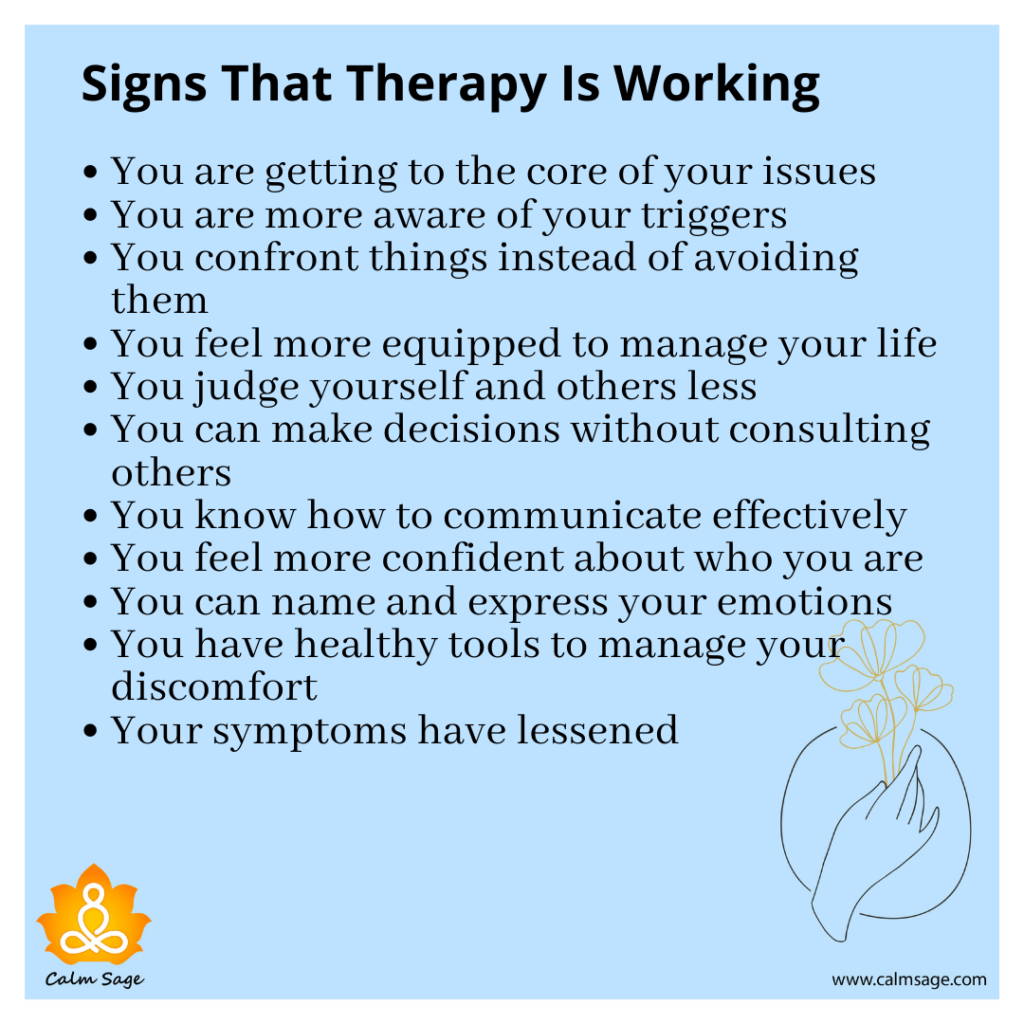
Finding the Right Restorative Assistance
Picking a therapist for anxiousness, clinical depression, and perfectionism in high-achieving people requires consideration beyond basic qualifications. One of the most reliable restorative connections for this populace consist of several crucial elements:
- Recognizing of high-functioning presentations where distress exists side-by-side with proficiency
- Recognition that lowering signs and symptoms is inadequate if underlying worth wounds continue to be unaddressed
- Capacity to test success orientation without shaming drive or ambition
- Experience with the specific battles of professionals, entrepreneurs, or chronic overachievers
- Combination of evidence-based strategies with relationally hip to, compassionate existence
- Desire to resolve social and systemic elements that award perfectionism and self-neglect
The journey from high-functioning enduring to authentic well-being needs more than sign management. It requires essential shifts in exactly how we define success, procedure worth, and associate with ourselves. With specialized restorative assistance, high up-and-comers can uncover that real excellence arises not from fear-driven perfection but from genuine engagement with job, relationships, and life itself-- imperfections and all.

Table of Contents
- – The Hidden Price of High-Functioning Anxiety
- – Katherine Maguire
- – Anxiety in High Achievers: When Success Feels ...
- – Perfectionism: The Trap That Appears Like Exce...
- – Codependency and Self-confidence: The Accompli...
- – Integrated Therapy Approaches for Complicated ...
- – Finding the Right Restorative Assistance
Latest Posts
How Linguistic Identity Influences throughout Multicultural Counseling
Addressing Language Barriers within Therapy Sessions
Practical Help for Arlington, VA and Beyond
Navigation
Latest Posts
How Linguistic Identity Influences throughout Multicultural Counseling
Addressing Language Barriers within Therapy Sessions
Practical Help for Arlington, VA and Beyond